
Tirzepatide Peptides UK: What the Term Means
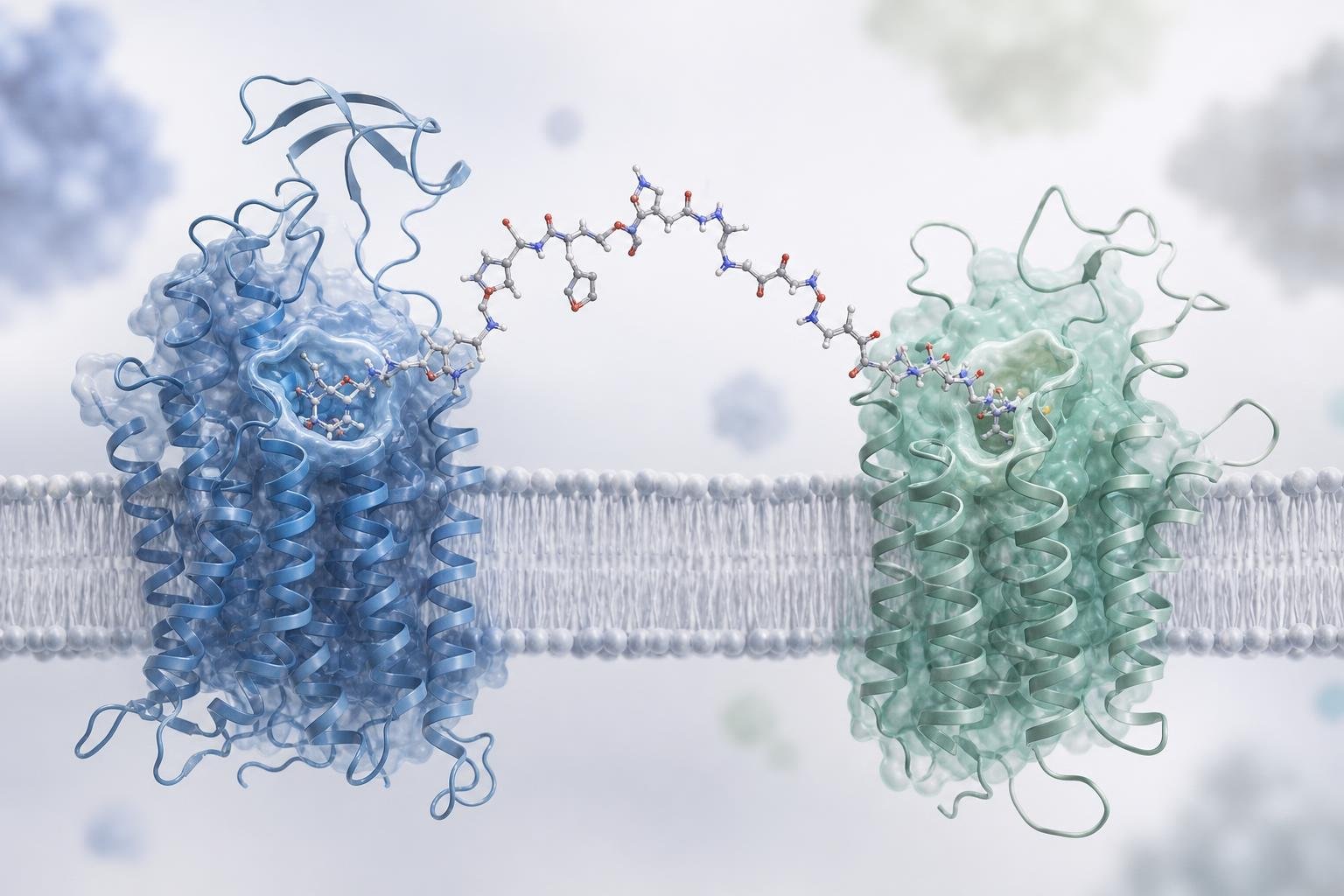
Short answer: Tirzepatide is a lab-made peptide medicine designed to activate two hormone receptors involved in appetite and blood sugar regulation. It is not simply a generic research peptide: its clinical use, quality standards and safety monitoring are medical and regulatory matters.
People searching for tirzepatide peptides UK are often trying to understand a confusing mix of terms. Tirzepatide is a peptide, but the word peptide can appear in very different settings: academic research, regulated medicines, informal online marketing and general biochemistry. This article explains the science in plain language without giving personal-use, purchase or treatment advice.
What is tirzepatide?
Tirzepatide is a synthetic peptide, meaning it is made from a chain of amino acids, the same basic building blocks that form many hormones and signalling molecules in the body. Its structure is designed to interact with specific receptors that normally respond to gut-derived hormones released after eating.
In clinical science, tirzepatide is best understood as an incretin-based medicine. Incretins are hormones that help coordinate digestion, insulin release, feelings of fullness and energy handling. Tirzepatide is unusual because it targets two incretin pathways rather than one.
The two receptor pathways: GIP and GLP-1
The main biological relationship to understand is between tirzepatide and two receptors: the glucose-dependent insulinotropic polypeptide receptor, usually shortened to GIP receptor, and the glucagon-like peptide-1 receptor, usually shortened to GLP-1 receptor.
GLP-1 receptor
GLP-1 is a hormone released from the gut after meals. It can support glucose-dependent insulin release, slow aspects of stomach emptying and communicate with appetite-related centres in the brain. Medicines acting on the GLP-1 receptor have been studied and used for metabolic conditions because this pathway links food intake, blood glucose control and satiety signalling.
GIP receptor
GIP is another incretin hormone released in response to nutrients. It also plays a role in insulin secretion and metabolic signalling. The precise contribution of GIP receptor activation in tirzepatide’s overall effects is an area of continuing scientific interest, because it acts alongside GLP-1 receptor activation rather than in isolation.
In simple terms, tirzepatide is often described as a dual GIP and GLP-1 receptor agonist. An agonist is a molecule that binds to a receptor and activates it. The word dual means it is designed to engage both receptor systems.
Why is tirzepatide called a peptide?
A peptide is a short chain of amino acids. Many natural hormones are peptides, including insulin and GLP-1. Tirzepatide belongs to this broad biochemical category because its active molecule is peptide-based.
However, calling something a peptide does not tell you whether it is a medicine, a research reagent, a cosmetic ingredient or an unregulated product claim. The same word can be used in legitimate scientific contexts and in vague marketing. For tirzepatide, that distinction matters because a clinically used peptide medicine requires consistent manufacturing, quality control, appropriate storage, medical oversight and safety monitoring.
Research term versus medical term
Online searches can blur the line between research language and healthcare language. In a laboratory, researchers may discuss peptide chemistry, receptor binding, pharmacology and metabolic pathways. In medicine, the focus is different: whether a product has been evaluated for quality, safety and efficacy; who it is suitable for; how risks are monitored; and what a qualified clinician needs to consider.
Those are not interchangeable contexts. A compound discussed in research does not automatically become appropriate for personal use. Likewise, a medicine name appearing in search results does not mean that every product using similar language is equivalent, lawful, regulated or safe.
What tirzepatide does in the body, in broad terms
At a high level, tirzepatide is studied and used because of its effects on metabolic signalling. Through the GIP and GLP-1 receptor pathways, it can influence:
- Insulin secretion: particularly in a glucose-dependent manner, meaning the effect is linked to blood glucose levels.
- Glucagon signalling: glucagon is a hormone involved in glucose release from the liver.
- Appetite and satiety: incretin pathways communicate with brain regions involved in hunger and fullness.
- Gastric emptying: GLP-1-related signalling can slow how quickly the stomach empties after food.
These mechanisms help explain why tirzepatide is discussed in relation to type 2 diabetes and body-weight research. They do not mean it is suitable for everyone, and they are not a substitute for individual medical assessment.
Safety considerations and limits of online information
Like other medicines that affect metabolic and digestive signalling, tirzepatide can be associated with side effects and medical cautions. Commonly discussed effects for incretin-based medicines include nausea, vomiting, diarrhoea, constipation and abdominal discomfort. More serious concerns, although less common, are assessed through clinical monitoring and medical evaluation.
Risk can also depend on a person’s medical history and on other medicines, especially treatments that affect blood glucose. This is why general educational information cannot determine whether tirzepatide is appropriate for a particular person. Diagnosis, prescribing and monitoring belong with qualified healthcare professionals using regulated medical products and current guidance.
How to read claims about tirzepatide carefully
When assessing information about tirzepatide, it helps to separate scientific facts from unsupported claims. A reliable explanation should be clear about what is known, what is still being studied and what cannot be concluded from marketing language alone.
- Be cautious of claims that promise outcomes or minimise risks.
- Do not assume the word peptide means a product is clinically suitable.
- Remember that purity, identity, sterility and stability are specialist quality matters, not casual descriptors.
- Use medical and regulatory sources for questions about approved indications, access and safety in your location.
Why the UK search context can be confusing
The phrase tirzepatide peptides UK reflects a search pattern rather than a single scientific category. It may indicate curiosity about the molecule, interest in metabolic research, or confusion caused by online listings that use peptide terminology loosely. The safest interpretation is educational: tirzepatide is a specific synthetic incretin-based peptide, and its medical use should not be confused with general peptide sales language.
FAQ
Is tirzepatide the same as GLP-1?
No. GLP-1 is a natural hormone and receptor pathway. Tirzepatide is a synthetic peptide that activates the GLP-1 receptor and the GIP receptor.
Does peptide mean natural or risk-free?
No. Peptide describes a type of molecule made from amino acids. It does not automatically mean natural, safe, suitable or clinically regulated.
Can online information tell me whether tirzepatide is right for me?
No. Online information can explain general science, but suitability, risks and monitoring require assessment by a qualified healthcare professional.
Bottom line
Tirzepatide is a specific synthetic peptide with dual activity at GIP and GLP-1 receptors. Understanding that biology is useful, but it is equally important not to confuse research terminology or online peptide language with regulated medical care.
Intended for in-vitro laboratory research only. Not for human or animal consumption.